Russia says it will also stick to nuclear weapons limits in the expired New START treaty, if the US does

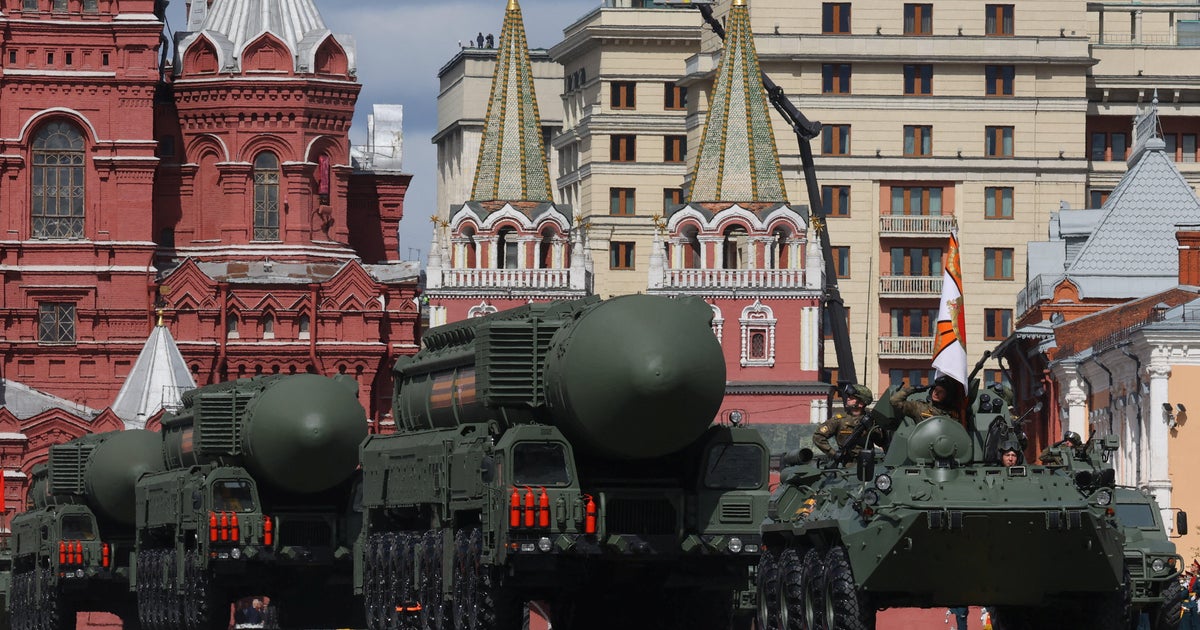
Russia will continue to maintain the restrictions imposed under the just expired New START An agreement to reduce nuclear weapons if the United States does the same, said Russian Foreign Minister Sergey Lavrov on Wednesday.
“We are moving forward with the fact that this decision, announced by our president, will continue to apply, but only if the United States does not exceed the above-mentioned limits,” said Lavrov, speaking to the lower house of the Russian parliament.
The New Strategic Arms Reduction Treaty (New START) was signed in 2010 between the US and Russia. It limited the number of strategic nuclear warheads both countries could use to 1,550, and included verification measures such as on-site inspections and data exchange designed to ensure compliance.
The agreement was originally set to expire in February 2021, but was extended for five years by former President Joe Biden, keeping it in effect until February 2026.
President Vladimir Putin said last year that Russia was willing to continue to adhere to the core parameters of the deal if the US did the same, and Lavrov’s latest comments confirmed that position after the deal expired.
EVGENIA NOVZHENINA/REUTERS
According to the Associated Press, Kremlin spokesman Dmitry Peskov also said last week that Russia will “maintain its responsible, complete approach to stability when it comes to nuclear weapons. And of course, it will be guided primarily by its national interests.”
The debate continues in the US about the future of strategic arms control.
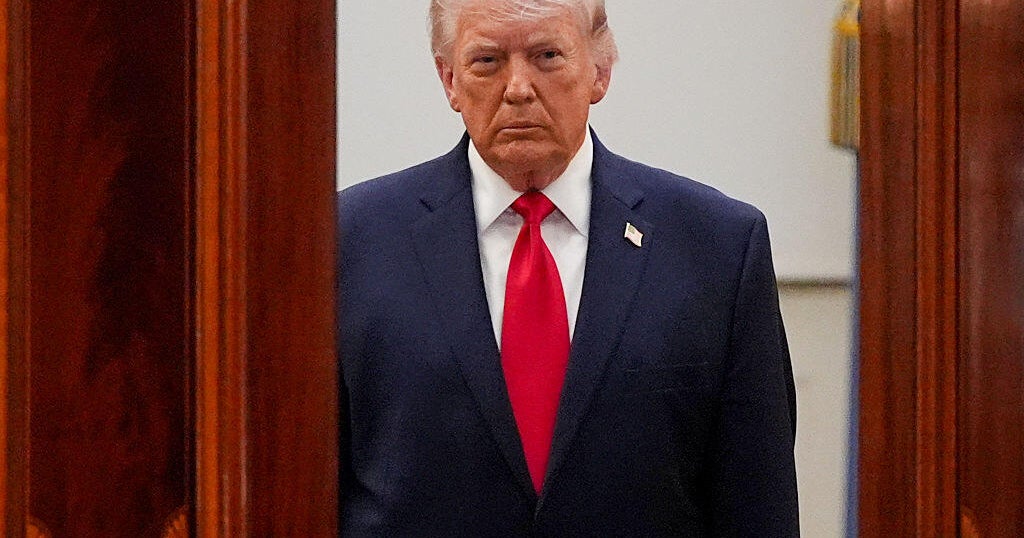
President Trump has indicated that any nuclear deal must include China, which has expanded its nuclear arsenal in recent years. Beijing has repeatedly rejected calls to join the trilateral nuclear arms control talks, however, noting that its arsenal is far smaller than that of the US and Russia.
A White House official told CBS News in January that the president will decide on the way forward on nuclear weapons control “which he will specify in his timeline.”
Last week, the US and Russia agreed reinvent formal, high-level military communications were suspended in late 2021, before Russia’s full-scale invasion of Ukraine.
But there has been no sign of progress on a new arms control agreement between the world’s two largest nuclear powers.
Mr. Trump directed the Pentagon in October resuming nuclear weapons testing on an “equal basis” with other countries’ tests, a move that could end a US moratorium that dates back to the end of the Cold War.
“Due to the testing programs of other countries, I have directed the Department of Defense to begin testing our Nuclear Weapons equally,” the president wrote on Truth Social, using the term chosen by his administration for the Department of Defense. “That plan will start soon.”
After days, Putin ordered his government to submit proposals regarding the resumption of nuclear weapons testing in Russia.
During a meeting with his Security Council, Putin said that Russia adheres to the Comprehensive Nuclear-Test-Ban Treaty, which prohibits the explosion of nuclear weapons tests, but said, “if the United States or another state party to the Treaty were to conduct these tests, Russia would be under the obligation to take reciprocal measures.”