Israel’s strike on Gaza kills at least 30 Palestinians, one of the highest tolls since the ceasefire began

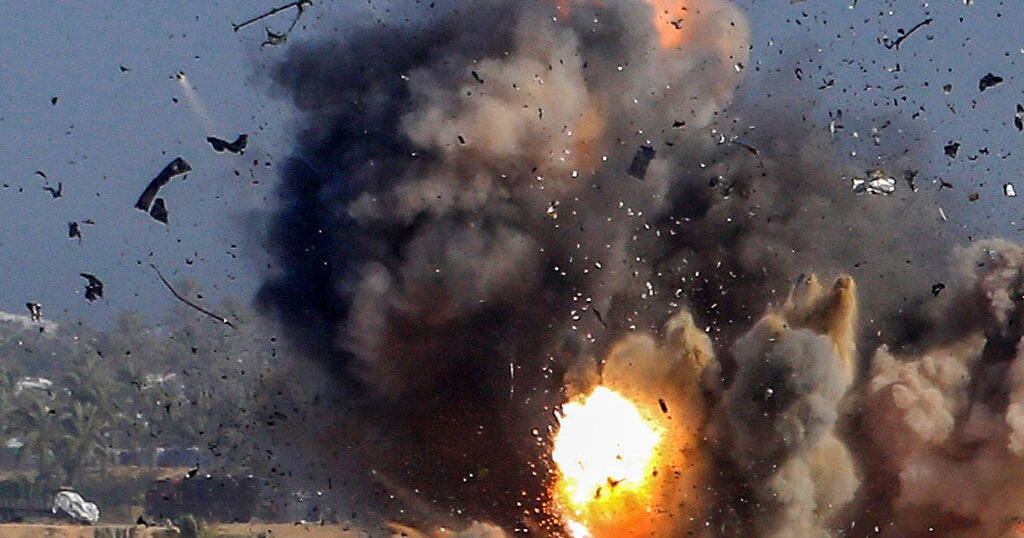
At least 30 Palestinians, including women and children, were killed in Israeli strikes Gazasaid hospital officials, marking the highest number of deaths since a ceasefire started in October.
The strikes, which came a day after Israel accused Hamas of violating a new ceasefire, hit multiple sites across Gaza, including a building in Gaza City and the Khan Younis tent camp, officials at the hospitals where the bodies were found told The Associated Press. The airstrike also hit a police station in Gaza City, killing at least 14 people and injuring others, said Shifa Hospital director Mahamed Abu Selmiya.
Abed Rahim Khatib/photo alliance via Getty Images
The Israeli Defense Forces said in a statement that the strikes were in line with what it said was a violation of a ceasefire agreement with Hamas after the army killed at least four terrorists who were exiting a tunnel in the Israeli-controlled area of Rafah.
“Terrorist organizations in the Gaza Strip are systematically violating international law, brutally exploiting public infrastructure and the Gazan population as human shields in terrorist attacks,” the IDF said, adding that it would continue to take action against any violations of the ceasefire agreement.
Nasser Hospital said the tent strike caused a fire that killed seven people, including a father, his three children and three grandchildren. Meanwhile, Shifa Hospital said that the strike on apartments in Gaza City killed three children, their aunt and their grandmother on Saturday morning, while the strike on the police station killed at least 14 – policemen, including four officers, civilians and prisoners who were kept in the station. The hospital also said a man was killed in Saturday’s strike east of the Jabaliya refugee camp.
Omar AL-QATTAA/AFP via Getty Images 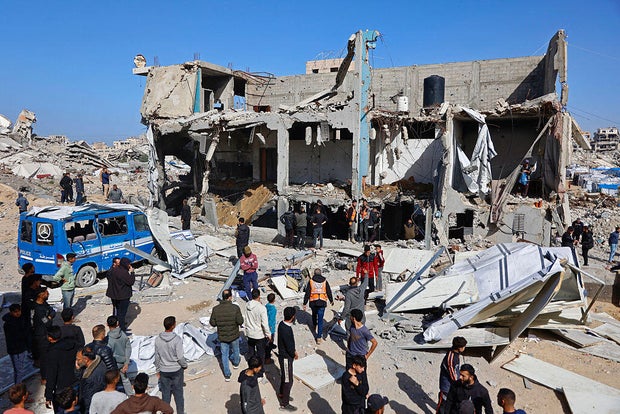
Hamas called Saturday’s strikes “another blatant violation” and urged the United States and other mediating countries to push Israel to end the strikes.
Saturday’s strikes are a reminder that the death toll in Gaza continues to rise as the ceasefire continues.
The army of Israel, which has attacked the stones both sides of the ceasefire linehe said its attacks since October were in response to the violation of the agreement.
The number reported to have been killed on Saturday was several times higher than the daily average since the ceasefire began. As of Friday, the Hamas-run Gaza Health Department has recorded at least 520 Palestinians killed by Israeli fire since the ceasefire began on October 10. The department maintains detailed records of injuries that are generally seen as reliable by UN agencies and independent experts.
Saturday’s strikes also took place a day before the opening of Rafah on the border with Egypt in the southern city of Gaza. All border crossings are closed for almost the entire war. Palestinians see Rafah as a lifeline for the tens of thousands who need treatment outside the area, where most of the medical infrastructure has been destroyed.
The opening of the crossing, limited at first, marks the first major step in the second phase of the US-brokered ceasefire. Reopening the borders is among the most challenging issues on the party’s current agenda, including ending the war after nearly two decades of Hamas rule and installing a new government to oversee reconstruction.