Iran–US Ceasefire 2026: Economic Implications of the Reopened Strait of Hormuz
Strait of Hormuz open

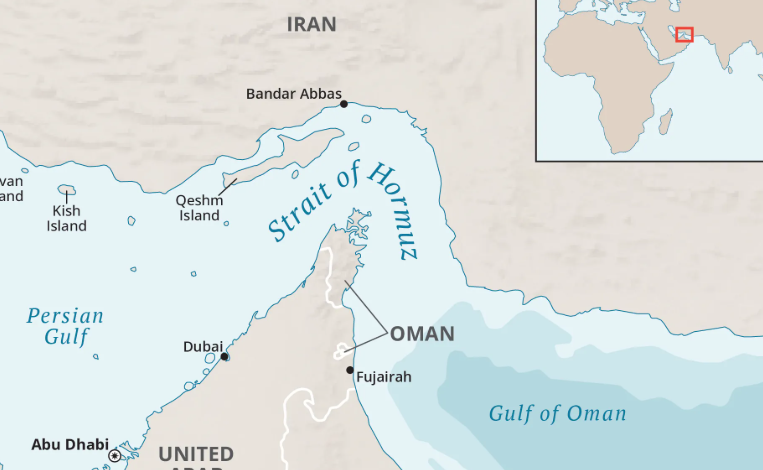
Iran–US Ceasefire 2026, Iran and the US announce today a recent ceasefire agreement; it is an event that holds significant potential to shape the geostrategic landscape of the Middle East and stability of global markets.
Weeks of rising tensions between the two countries led to this accord and, in return, the reopening of the vital Strait of Hormuz, one of the world’s most important sea lanes and crucial to global energy flows.
Almost 20 percent of the world’s crude oil shipments go through the Strait, and the implications for oil prices, supply routes, trade and economies are immediate. Economic experts are projecting a decrease in oil price volatility, an increase in market confidence, and more efficient shipping flows through the Gulf.
For import dependent countries and international trade focused economies, this means potential relief on cost and supply chain efficiency.
Though challenges in building a durable peace still lie ahead, the ceasefire and the reopened Hormuz crossing today highlight how interconnected global security and the economy are.
Iran‑US Ceasefire 2026: What the Historic Two‑Week Truce Means for Global Markets
This two week ceasefire between the U.S and Iran is having a significant impact on global finance and energy markets after weeks of uncertainty,
the tentative truce was declared hours before a deadline for escalating military strikes and includes the potential reopening of Strait of Hormuz – a crucial maritime choke point that accounts for approximately 1/5 th of global oil supply.
The dollar saw sharp falls, oil prices dropped as market sentiment eased on supply risks and equity markets spiked on the reduced geopolitical risk and improved trade outlook.
The peace is not yet lasting but this interruption in hostilities may ease commodity volatility, investor confidence and energy-related inflation if crucial oil supply lines re-open.
Reopening the Strait of Hormuz: Economic Impact on Oil Prices and Energy Security
It should be reiterated that the resumption of Strait of Hormuz after the ceasefire in Iran-US conflict will significantly impact the global energy market and regional economy. As we all know, Hormuz is a narrow strait linking the Persian Gulf with the Arabian Sea.
It is a significant chokepoint and it provides an avenue for almost 20% of the world’s oil supplies to flow out. Traditionally, the Strait’s blockage will lead to surging crude oil prices, rising inflation and trading jitters all over the world.
The cessation of conflict will most likely ease crude oil prices with the expectation that supply concerns would be eased. It will boost the energy security of the oil-consuming countries like the powerful economies of Asia,
Europe and North America, and allow for the unimpeded flow of oil without any other higher cost shipping alternatives; trade, tourism and investment in the Gulf region are expected to rebound immediately. Nevertheless,
the ceasefire is short term and long-term economic recovery is solely dependent on sustainable diplomatic ties. Although, Hormuz reopened provides immediate benefits,
the vigilance over energy security and the global trading market still need to be kept up.
How Oil Markets Responded to the Iran–America Ceasefire: Price Drops and Future Risk Outlook
A truce in US-Iran tensions has brought a dizzying and immediate shock across oil markets, proving just how prone energy prices are to geopolitical events. Soon after news of a twoweek truce-including the reopening of the Strait of Hormuz,
which allows 20% of world crude and gas shipments-the prices on benchmarks plummeted, with Brent falling almost 16% to about $92 to $95 per barrel and US West Texas Intermediate declining rapidly, registering one of the sharpest one-day drops of recent years. In parallel,
equity markets rallied worldwide in a market-wide relief rally.
However, the fall in prices-a relief to the world economy due to the removal of risk of supply disruption-must be viewed in context: it is shortlived and supply remains physically tight as infrastructural damage remains. Even with conditions on the reopening of Hormuz,
it is unlikely that physical oil flows will immediately resume at full capacity and that the premium will completely disappear from oil prices. It is possible that prices will soar sharply again if the truce fails or tensions spike up. In turn, this will keep the market on edge.
It is noteworthy that traders also closely monitor energy equities and a basket of other commodities like copper and aluminum. While short-lived volatility is receding and prices are dropping due to the removed tensions, any longer-term supply security depends on whether the truce leads to longer-term progress toward peace.
Global Trade and Shipping After the Hormuz Reopening: Supply Chain Revival or Continued Caution?
The reopening of the strait of Hormuz after the Iran-US ceasefire, carrying almost a fifth of global seaborne oil trade and various other goods, has been hailed by many shippers and global traders. While it is positive news for global supply chains as the fear of unpredictable traffic halts which used to spike freight rates and insurance fees is reduced, enabling companies and global traders to operate and manage their costs without facing constant threats.
Shipping and logistic experts have pointed out that the ceasefire is only a temporary state and while trade may flow seamlessly at the moment, threats from geopolitical situations are never out of the question.
They advised freight forwarders and multinational businesses to continue having risk mitigation strategies in place,
which include diverting shipping routes or stocking buffer inventory.</b> Short-term trade volumes between the Gulf and other countries are expected to pick up especially in crude oil tankers and LNG tankers,
along with the flow of containerised goods. Reopening of the strait will allow the Gulf economies to regain its lost trade and to strengthen its position in the world logistic map, signaling a boost for supply chains
but also remaining ever conscious that peace in the region is just a matter of time.
Macroeconomic Effects of the Iran‑US Truce: Inflation, Growth and Emerging Markets
Already, the Iran-U.S. Truce and the temporary reopening of the Strait of Hormuz have altered economic forecasts globally,
as markets begin to react to less geopolitical risk and potential energy market stabilization. In the short term, the truce will cut oil price volatility, curb the acceleration of inflationary pressures sparked by potential crude supply disruption,
and reduce oil prices globally, evidenced by a fall in Brent crude prices, among other oil benchmarks, following the report of the truce.
Up until this agreement, disruption in the Strait, through which 20 percent of oil and LNG global traffic is transported, had given rise to historically unique supply disruptions, causing higher fuel and transportation prices,
and inflation in many countries, slowing their growth by reducing household finances and obliging central banks to delay any rate cuts or continue the present restrictive monetary policy to tackle inflation.
For the developing countries and emergent markets which are more sensitive to the swings of commodity prices and capital flows,
this break has come as a comfort. In Asian and developing countries, equities have gone up and currencies have risen on increased investor confidence and an improvement of the risk appetite after this fall in energy prices and a reduction of the crude supply risk.
Economists believe, however, that if the truce will not develop into a solid peace, energy inflation and growth challenges would reappearance in energy importing countries, and a sustained period of tranquility achieved through longer term diplomacy would be necessary for stronger growth and disinflationary conditions around the world.
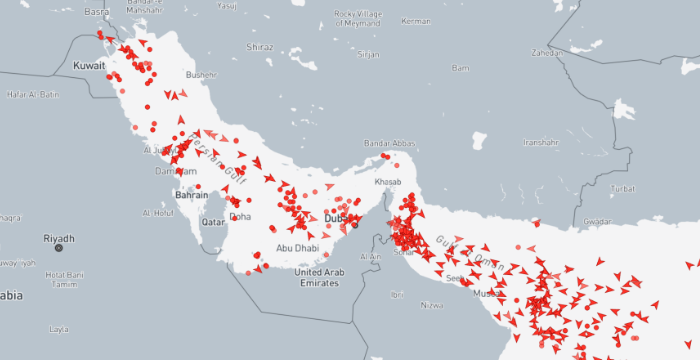
Regional Economies and Gulf States: Recovery Prospects After the Strait of Hormuz Crisis
The renewed openness of the Strait of Hormuz after the Iran-US cease-fire represents an important turning point for economic revival across the Gulf. Saudi Arabia, United Arab Emirates, Qatar and Oman are dependent upon free passage
for oil and gas exports through the narrow strait, a significant portion of each nation’s revenue. With renewed passage possible, shipping lanes become secure, insuring tankers and cargo ships at significantly lower rates, allowing energy exports to flow again on a more predictable basis.
Improved investor confidence will also likely be spurred by the renewed diplomatic truce, facilitating the flow of capital into projects spanning logistics,
infrastructure, and industry throughout the Gulf states. While previously hindered by increased regional risk, tourism and trade sectors can tentatively begin to recover, lending further buoyancy to GDP.
Experts caution, however, that sustained economic growth and recovery hinges upon the stability of continued diplomatic engagement.
While the benefits from renewed passage are clear and palpable in increased exports and reduced transit costs, the Gulf states are susceptible to resurgence of conflict or other tensions. Strategic planning, economic diversification,
and risk mitigation strategies must remain paramount if the benefits from the Hormuz re-opening are to be fully realized.
| Gulf State | Main Economic Impact from Strait Closure | Short-Term Recovery Prospects | Long-Term Outlook |
|---|---|---|---|
| Saudi Arabia | Oil export disruptions; higher shipping costs | Resumption of crude exports; reduced insurance costs | Strengthened energy sector; increased investor confidence |
| United Arab Emirates (UAE) | Trade and logistics delays; tourism slowdown | Shipping lanes restored; trade flow stabilizes | Boost in logistics and trade hubs; tourism recovery |
| Qatar | LNG export risks; market uncertainty | LNG shipments resume; market confidence improves | Long-term energy export stability; diversified economy gains |
| Oman | Port and shipping delays; reduced GDP growth | Reopening of ports; smoother cargo handling | Gradual economic diversification; stronger regional trade links |
| Kuwait | Oil supply chain delays; investor caution | Resumed oil flows; short-term trade gains | Strategic energy infrastructure investments; stable regional role |
FAQ:
1. What is the IranUS Ceasefire exactly?
A temporary pause in conflict between Iran and the United States, easing tensions; ensuring safe passage through the Strait of Hormuz and alleviating fears of a wider regional conflict threatening oil supply lines.
2. What is the Significance of the Strait of Hormuz to the global economy?
It is a key maritime chokepoint; it is responsible for the transit of roughly 20% of the world’s crude oil and significant volumes of liquefied natural gas. A closure or threat to close the Strait will lead to spikes in global oil prices and significantly affect global trade flows.
3. How Did Oil Prices React After the Announcement of a Ceasefire?
Oil prices fell dramatically following the announcement of a ceasefire, driven by easing fears of supply disruptions; Both Brent and WTI crude benchmarks plunged.
4. Will Global Fuel Prices fall as a result of a ceasefire?
Yes, there is likely to be relief in the short-term with a more predictable oil supply. However, the extent to which prices will fall and whether it will be sustained is debatable; volatility is still high, and it is uncertain whether a ceasefire will hold or whether it will be extended.
5. What are the impacts of a cease-fire on the global trade flow and the costs of shipping?
Safe transit through the Strait of Hormuz has a positive effect on the costs of shipping; insurance and freight costs will fall and trade routes through the gulf will remain unhindered. Shipping companies who trade via the Gulf routes will see their overall costs reduced significantly.
6. What is at risk should the ceasefire fail orexpire?
If hostilities resume then the risks to oil supply are apparent, and it can be expected that prices will revert to their previous levels if not higher. Trade bottlenecks and market volatility will also return, negatively impacting global economic activity.
7. How are emerging economies affected by a lessening of geopolitical risks?
Emergencies economies will likely benefit from lower energy costs, stronger currencies and an improved confidence in markets; this should increase short-term economic stability, facilitate trade and investment.
8. What could the long term economic benefits be if the Strait of Hormuz remains open?
A sustained lack of conflict in the Gulf should lead to greater stability in global oil markets; inflation could potentially fall and long term investment should flow into the economies of the Gulf and the trade through this channel will improve greatly.