OlymPR: What the Olympics Can Teach Multinational Brands About Good Public Relations

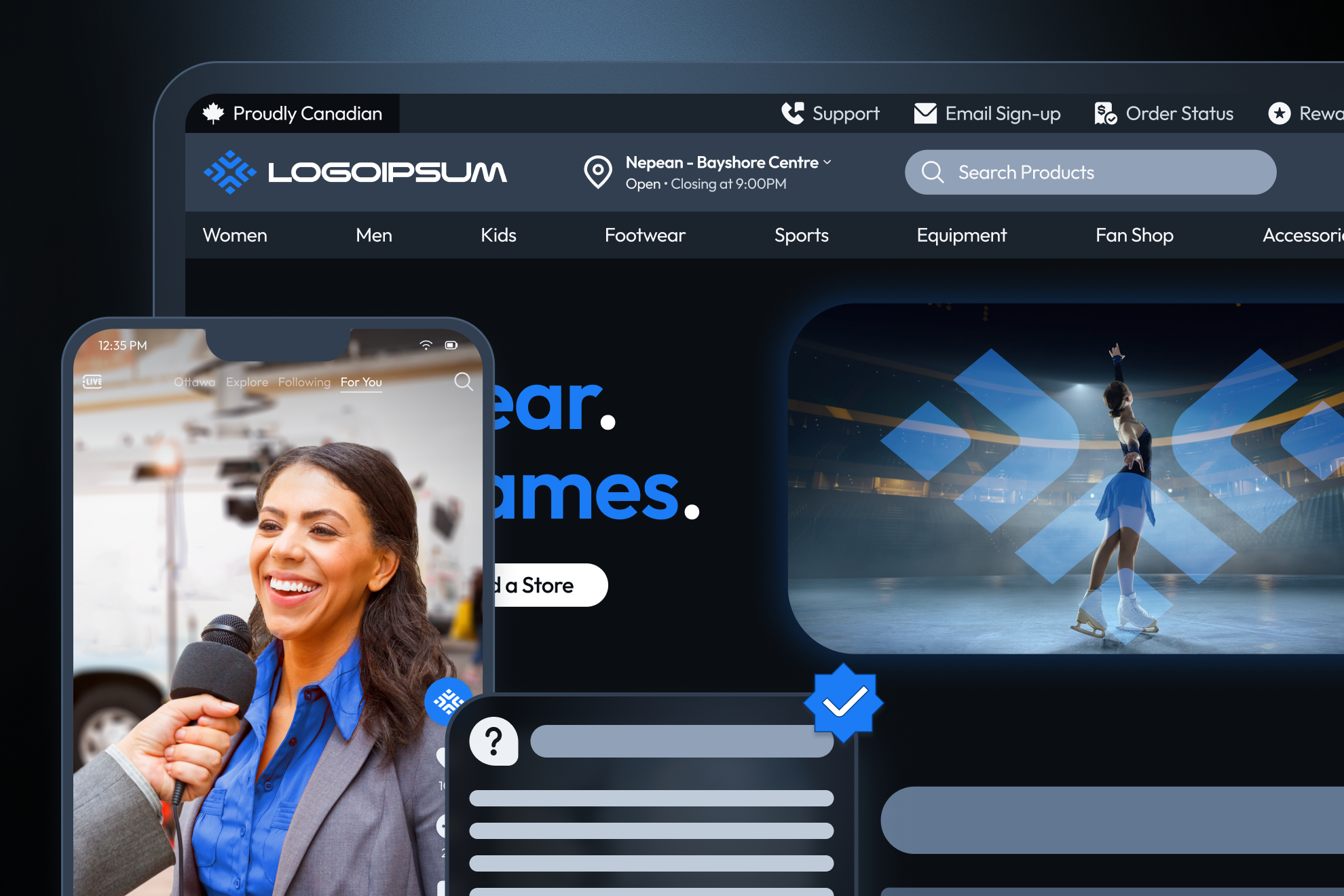
The Olympics are an art class in visibility, dignity, preparation, and performance under pressure. Athletes train for years to deliver results in seconds, and Public Relations (PR) teams do the same thing remarkably well. PR teams build a foundation of trust and awareness long before a campaign goes “live,” and act quickly when the time comes.
With the Winter Olympics in Milano Cortina 2026 to be held February 6–22, it is a timely reminder that real results come from consistent work, not just revelry. Results are achieved through preparation, repetition, and the ability to perform under pressure. For multi-location brands, that same formula applies to PR: build a repeatable PR system, stay consistent across markets, and show a unified message when visibility matters most.
So what does that Olympic-level consistency look like in performance for a multi-market product? Before you can “win” the attention of all markets, you need the equivalent of a uniform: a consistent identity and a visual system built to work at scale so you have the visibility of engineering, not rushing.
Visibility Is Not Luck: designing scalable PR for Multi-Location brands
The Olympics are a global PR machine. Athletes’ uniforms, flags, and national symbols quickly tell you who it is. Sponsors appear in predictable, highly visible moments: interviews, podium photos, broadcasts, and, of course, social media. None of these exposures were accidental. Visibility to developers.
That same discipline is what separates effective PR from the effective dissemination of multi-site success, where trust must reach many communities (or hundreds). Brands that feel “everywhere” usually don’t do more; they consistently do the right things: clear positioning, repeatable messages, and visual angles for stories that appear frequently across earned media, partnerships, local media, and social media.
Essentially, your PR “uniform” is a set of phrases, proof points, and ideas that the audience comes to associate with your brand. Whether someone is reading about a new location opening, seeing a business owner featured in a local publication, or hearing a spokesperson quoted on an industry trend, the story feels familiar and purposeful. Identity is more than a logo; a strong focus on quality over quantity, building trust through community presence, consistent messaging, and reliable third-party coverage.
Takeaway for many places: if every place tells a different story, you don’t have a sign, you have a bunch of branches. Strategic PR creates coherent narratives that scale without losing local relevance.
Momentum is a competitive advantage in multi-Location PR

The Olympics highlight a truth every PR manager knows: momentum doesn’t wait. News cycles move quickly, and being first with a clear, honest point of view often determines who gets a successful placement. At the Olympic level, a breakout performance can change the narrative in seconds, and the athletes who benefit are primed for the spotlight. They are trained, trained, and equipped to deliver under pressure.
In PR, risk isn’t about “rushing to quote a reporter,” It’s about operational readiness – having a system that ensures quick, safe, and consistent responses, especially when you involve multiple stakeholders across locations. That means having authoritative messages, a short list of experts to quote, and a clear decision-making process that works across all locations and time zones. When you treat timely comments like a race—look, decide, write down, approve, publish, you stop reacting and start building momentum that combines strong positioning and long-term authority.
Takeaway for many places: The sooner your brand can respond with one aligned voice, the more likely it is to become the “go-to” source in your category (locally and nationally).
Why consistency and repetition are important in a multi-site PR strategy
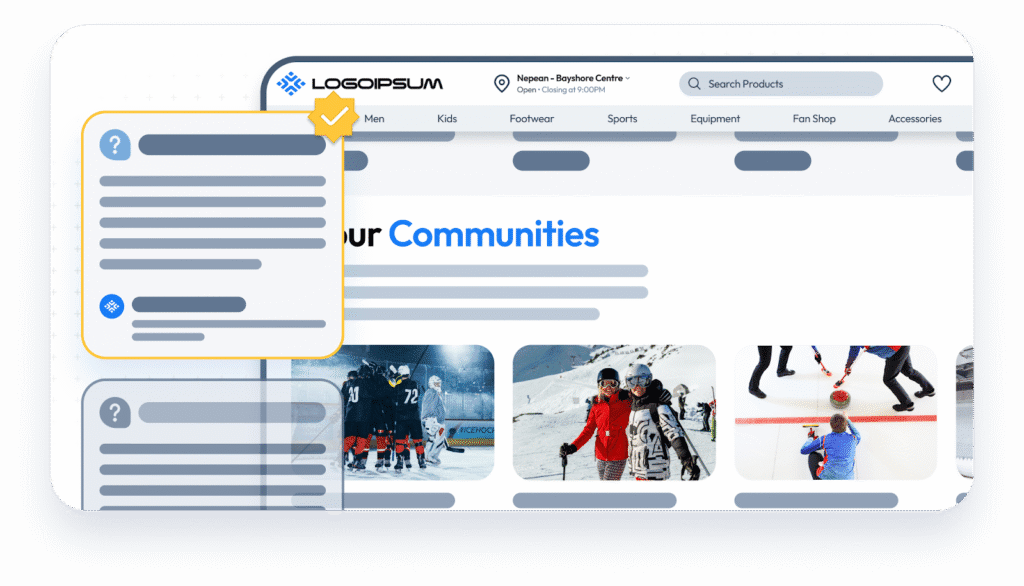
The Olympics are proof that results don’t happen overnight. They are the result of constant practice, measurement, and refinement. Athletes do not rely on one perfect training regimen; they run tests, review performance, adjust strategies, and repeat until the edge improvements add up to award-winning results.
Effective PR strategies are built the same way. Not every pitch, not every angle makes sense, and not every story wins—and that’s not a failure; is the answer. Strong PR teams treat each campaign like training photos: what was achieved, what was ignored, what insights were revealed, and what patterns emerged.
For multi-location brands, this iteration method is even more important because you check which stories measure: a repeatable local community partnership, a local leadership POV, or a data point that journalists keep using again. If something works—an angle that gets interviews, a style of quoting a featured speaker, a story format that earns backlinks, you double down on new processes and build a repeatable playbook for success. Winning is not a single topic; it’s a system that gets sharper every cycle, making future placements look easier for everyone.
Takeaway for many places: consistency creates compounding returns—strong brand recognition, easy media wins, and enhanced brand visibility.
The conclusion
The Olympics remind us that “big moments” rarely happen by chance. They are the focal point of a much larger process: preparation, repetition, strategy, and working under pressure.
Brand visibility is built through consistent symbols and stories. Speed is important, but only if the systems support it. And results don’t happen overnight; they are acquired through testing, refinement, and continuous evolution until your message is familiar and trusted.
Whether you’re chasing medals or media coverage, the playbook is proven: build a system, refine it over time, and use it with confidence when the spotlight turns your way. Want to turn your PR into an Olympic-ready engine for visibility and credibility everywhere? Contact the Digital PR team to achieve consistent coverage, strengthen online visibility, and increase your authority.