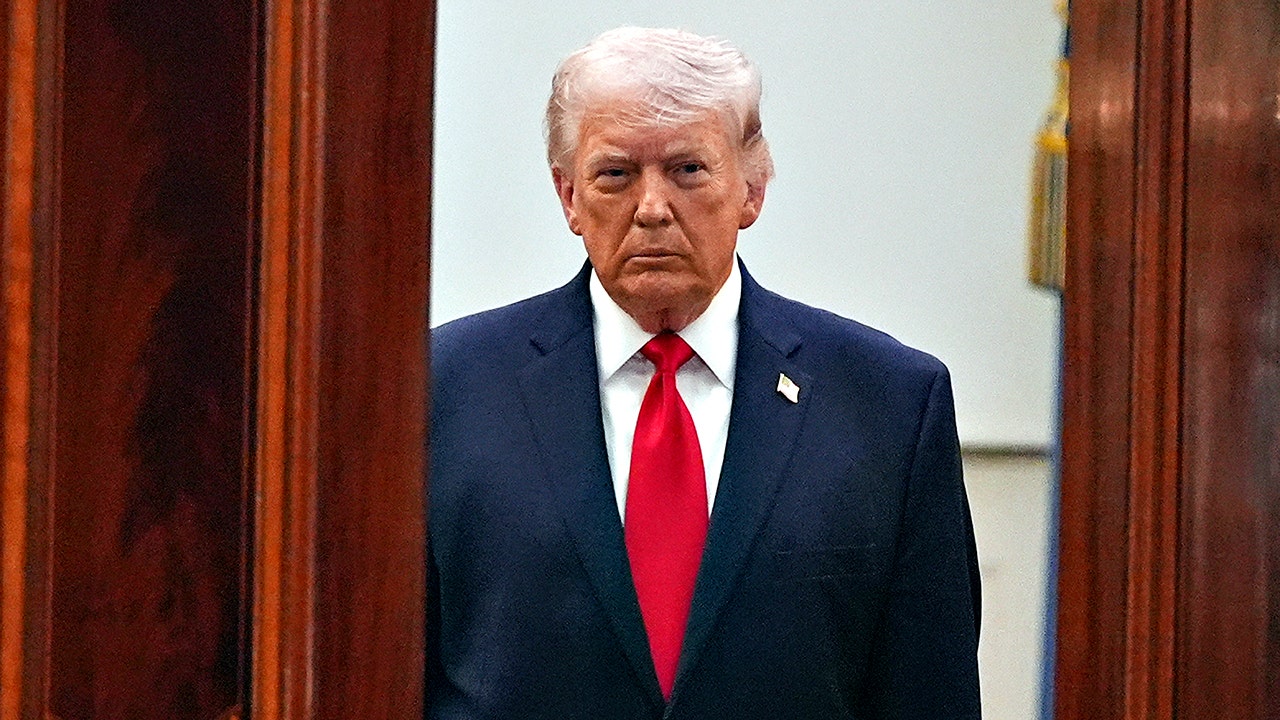
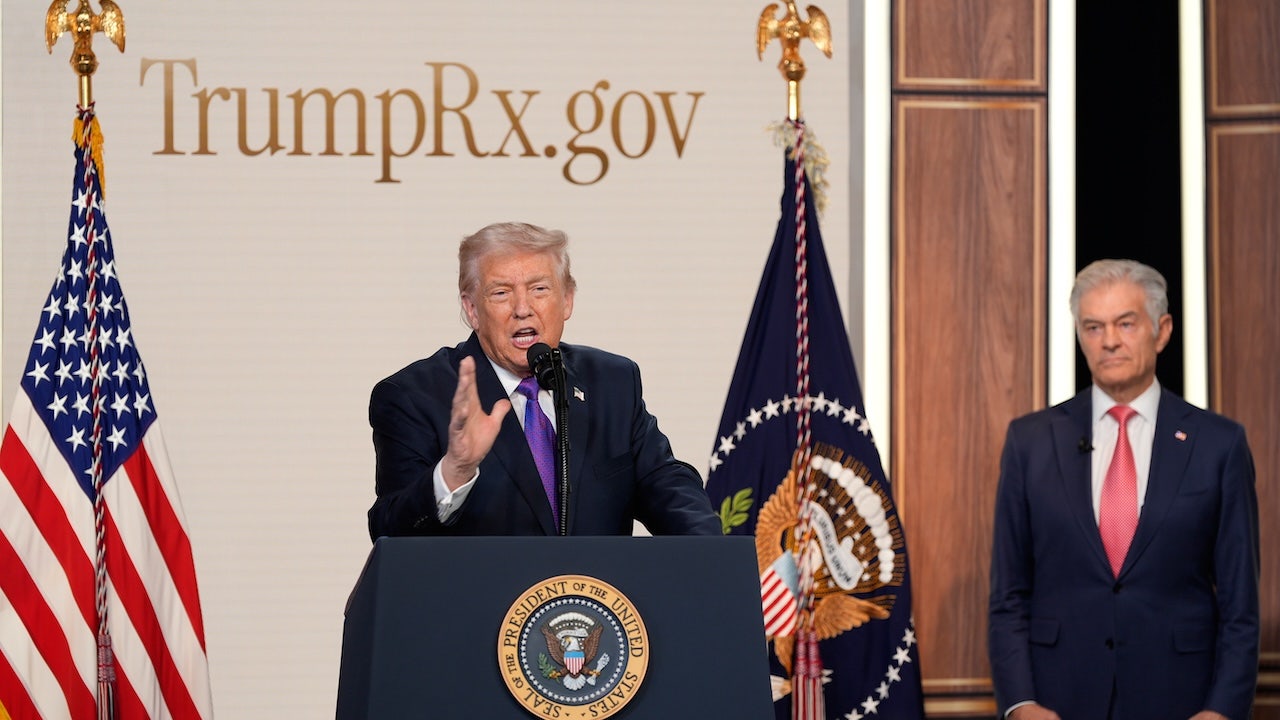
Explaining the US entry into Venezuela to kidnap President Nicolás Maduro, President Trump accused Maduro and his wife of waging “a campaign of deadly terrorism against the United States and its citizens,” and Maduro of being “the kingpin of a criminal network responsible for the trafficking of deadly and illegal drugs into the United States.”
“Hundreds of thousands – over the years – Americans died because of him,” Trump said hours after US special forces dragged Maduro from his bedroom during a raid that killed more than 50 Venezuelan and Cuban soldiers.
Experts in regional drug trafficking say Trump was clearly trying to justify the US removing the sitting head of state by saying Maduro was not only a corrupt foreign leader harming his country but also a key player in the rampant drug violence that has ravaged American communities.
They also said they were highly suspicious of those claims, given little evidence and contradicted by years of independent research into drug trafficking patterns in the region. Countries like Mexico and Colombia play the biggest roles, and fentanyl — not the cocaine Maduro is accused of trafficking — is responsible for the majority of American deaths, the study shows.
Maduro’s indictment details alleged open criminal activities, including selling passwords to known drug traffickers to evade surveillance by Venezuela’s military and law enforcement.
(Jacquelyn Martin / Associated Press)
It alleges that other crimes are often committed, such as Maduro and his wife allegedly ordering the “kidnaps, beatings, and killings” of people who “underestimate their drug-trafficking activities.”
However, Trump’s claims about the scope and impact of Maduro’s alleged actions go beyond the details of the case, experts say.
“It’s very difficult to respond to the level of bulls– promoted by these administrations, because there is no evidence at all, and it goes against what we think we know as experts,” said Paul Gootenberg, professor emeritus of history and sociology at Stony Brook University who has long studied the cocaine trade. “Everything is the opposite of what we think we know.”
“President Trump’s allegations that hundreds of thousands of Americans have died as a result of drug trafficking linked to Maduro are incorrect,” said Philip Berry, a former United Kingdom counter-narcotics official and visiting senior lecturer at the Center for Defense Studies at King’s College London.
“[F]Entanyl, not cocaine, is responsible for the majority of drug-related deaths in the US over the past decade,” he said.
Jorja Leap, a sociology professor and executive director of the UCLA Social Justice Research Partnership who has spent years interviewing gang members and drug dealers in the LA region, said Trump’s focus on Maduro, Venezuela and the Venezuelan gang Tren de Aragua as the driving force behind the drug trade in the US is not only false but also undermines the work of researchers who know better.
“Besides making it a political issue, this is disrespectful to the work of researchers, social activists, community organizers and law enforcement who have worked on this problem on the ground and understand all its aspects,” said Leap. “This is a political platform.”
Role of Venezuela
The US State Department’s 2024 International Narcotics Strategy report called Venezuela “the leading country for transporting cocaine by air, land, and sea routes,” with most of the drug coming from Colombia and passing through other Central American countries or the Caribbean islands on its way to the US.

Federal officials stand guard outside the Metropolitan Detention Center.
(Leonardo Munoz / AFP via Getty Images)
However, the same report said that recent estimates put the volume of cocaine trafficked in Venezuela at about 200 to 250 metric tons per year, or “about 10 to 13 percent of estimated global production.” According to the United Nations 2025 World Drug Report, most of Colombia’s cocaine is trafficked “along the Pacific coast to the north,” including Ecuador.
The same report and others make it clear that Venezuela does not play a major role in the production or trade of fentanyl.
A 2024 State Department report said Mexico is “the only significant source of fentanyl … that seriously affects” the US, and the US Drug Enforcement Administration’s 2025 National Drug Threat Assessment said Mexican organizations “dominate the movement of fentanyl to and from the United States.”
The Trump administration has suggested that Venezuela has played a major role in cocaine production and trafficking in recent years under Maduro, who they say has collaborated with major trafficking organizations in Venezuela, Colombia and Mexico.
Maduro pleaded not guilty during a trial in Manhattan court this week, saying he was “kidnapped” by the US.
Although many experts and other political observers acknowledge Maduro’s corruption and believe that he has profited from drug trafficking, they question how the Trump administration sees his action as an attack on the US as a “narco-terrorist”.
Former Rep. Marjorie Taylor Greene (R-Ga.), a Trump ally turned adversary who this week stepped down from her House seat, has criticized the crackdown as more about controlling Venezuela’s oil than cracking down on the drug trade, in part noting that the largest volumes of the deadly drug come to the US from Mexico.
“If it was about drugs killing Americans, they would be bombing Mexico,” Greene said.
The Trump administration has disputed these disputes, as Trump has threatened other nations in the region.
US Drug Enforcement Administration Director Terry Cole said on Fox News that “on a low scale,” 100 tons of cocaine were produced and shipped to the US by groups working with Maduro.
Expert input
Gootenberg said there is no doubt that some Colombian cocaine crosses the border into Venezuela, but most of it goes to Europe and emerging markets in Brazil and Asia, and there is no evidence that large amounts reach the US.
“This whole thing is fiction, and I believe they know that,” he said of the Trump administration.
Berry said Venezuela is a “cocaine transit country” but “a very small player in the global drug trade,” and “a tiny fraction” of the cocaine that goes through it reaches the US.
Both also questioned the Trump administration calling Maduro’s government a “terrorist” regime. Gootenberg said the term emerged decades ago to describe governments whose national income was closely linked to drug profits, such as Bolivia in the 1980s, but it remained a “propaganda idea” and was “outdated” as modern governments, including Venezuela, diversify their economies.
The Trump administration’s move to revive the term isn’t surprising because “the way they take on atavistic labels that they think will be helpful, like ‘Make America Great Again,'” Gootenberg said. But “it’s not there.”
Berry said the use of the term “narco-terrorism” has oversimplified the “multiple and context-specific connections” between the drug industry and global terrorism, and as a result “has led to the confusion of counter-narcotics efforts and counter-terrorism efforts, often leading to militaristic and ineffective policy responses.”
Gootenberg said Maduro was a corrupt activist who stole the election and certainly had knowledge of drug trafficking in his country, but the idea that he would somehow become a “mastermind” with power over international drug cartels is not far-fetched.
Several experts say they doubt his arrest will have a major impact on the US drug trade.
“It’s absurd. Small. Whatever word you want to use to indicate very small impacts,” said Leap, of UCLA.
The Sinaloa Cartel – one of Maduro’s alleged partners, according to his indictment – is a major player in the drug trade in Southern California, with the Mexican Mafia acting as a liaison between local drug gangs, Leap said. But “if anyone tries to connect this to what’s happening now in Venezuela, they don’t understand the type of drug distribution, the street gangs, the Mexican Mafia, everything that’s going on in Southern California. There’s no connection.”
Berry said that after Maduro’s capture, “most of the state and illegal actors involved in the illegal drug trade have not been affected.”